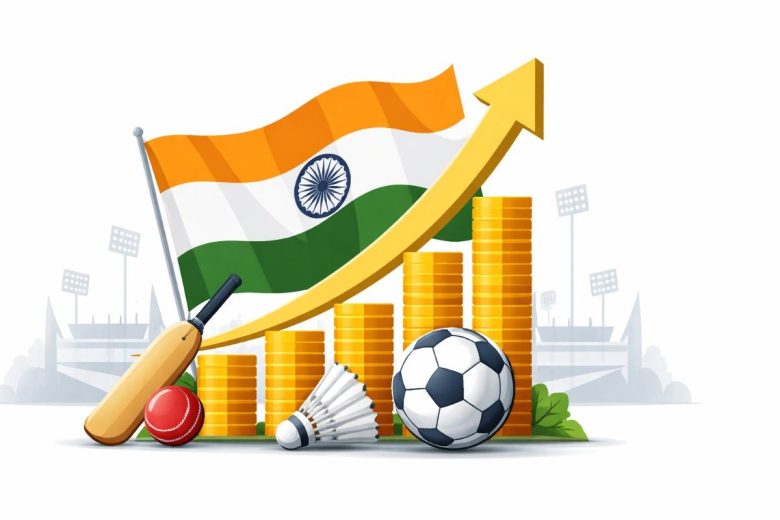
India’s sports sector is undergoing a significant transformation as rising investments, expanding professional leagues, and growing digital audiences reshape the country’s sports economy. Industry experts believe the sector is entering a period of sustained growth that could turn sports into one of India’s most dynamic economic industries over the next decade.
Over the past several years, sports in India have evolved from being largely cricket-centric entertainment into a broader ecosystem that includes multiple professional leagues, emerging sports technologies, global sponsorships, and increasing government support. Analysts estimate that the Indian sports industry is currently valued at around $19 billion and could nearly double by the end of the decade as new investments continue to flow into the sector.
One of the primary drivers behind this growth has been the commercialization of professional sports leagues. Cricket remains the dominant force in India’s sports economy, with the Indian Premier League serving as one of the most successful sporting properties in the world. The league has transformed the financial structure of Indian cricket through high-value media rights, franchise investments, and global sponsorship deals. The financial success of cricket has also encouraged investors to explore other sports leagues in the country.
In recent years, leagues such as the Pro Kabaddi League, the Indian Super League in football, and professional badminton and volleyball tournaments have attracted increasing corporate interest and broadcast deals. These leagues have helped expand the sports audience beyond traditional cricket viewership and have created new opportunities for athletes, broadcasters, advertisers, and sports management companies.
The growth of digital media has played a crucial role in accelerating the reach of sports content in India. Affordable internet access and the widespread adoption of smartphones have dramatically increased the number of viewers watching live sports online. Streaming platforms now broadcast matches across multiple sports, allowing fans from smaller towns and cities to follow domestic and international tournaments in real time. This shift has made sports content more accessible and attractive to advertisers targeting younger digital audiences.
Technology is also becoming a key pillar of the evolving sports economy. Data analytics, performance monitoring tools, fan engagement platforms, and smart stadium technologies are increasingly being adopted by sports organizations and teams. Sports technology startups are developing solutions that help coaches analyze player performance, assist broadcasters with real-time statistics, and offer fans interactive viewing experiences.
The growing influence of sports technology reflects a broader global trend where sports, media, and digital innovation are closely interconnected. In India, this convergence is creating new business opportunities for startups, investors, and technology companies looking to participate in the sports ecosystem.
Infrastructure development has emerged as another important factor supporting the growth of the sports economy. Government initiatives have focused on improving training facilities, building modern stadiums, and promoting grassroots sports participation across the country. Programs aimed at identifying and nurturing young athletes are expanding access to professional sports careers and helping create a stronger talent pipeline for national teams and domestic leagues.
Government-led initiatives such as Khelo India have been designed to strengthen sports infrastructure while encouraging youth participation in athletics and competitive sports. By supporting athletes at the grassroots level and investing in training centers, policymakers hope to enhance India’s performance in international competitions while also strengthening the domestic sports industry.
Large-scale sporting events are also contributing to economic activity across multiple sectors, including tourism, hospitality, event management, and media production. As India hosts more international tournaments and national championships, cities benefit from increased travel, hotel occupancy, and related economic activity.
Another area showing rapid growth is esports and competitive gaming. The esports industry has gained momentum in India as younger audiences increasingly engage with digital competitions and online tournaments. With professional teams, sponsorship deals, and live streaming audiences growing each year, esports is emerging as a new segment within the broader sports economy.
Women’s sports are also receiving greater attention and investment. Increased media coverage, new leagues, and policy initiatives aimed at promoting women athletes are gradually expanding opportunities for female participation in professional sports. As visibility grows, women’s competitions are attracting sponsors and audiences, further strengthening the diversity of India’s sports ecosystem.
Corporate investment has been central to many of these developments. Domestic companies and global brands are investing in teams, leagues, sponsorship agreements, and sports marketing initiatives. India’s sports goods manufacturing sector has also grown significantly, supplying equipment to both domestic athletes and international markets.
Despite the rapid progress, challenges remain. Industry experts note that sports still account for a relatively small share of India’s overall economy compared with more mature sports markets in Europe and North America. Infrastructure gaps, uneven development across sports disciplines, and limited grassroots funding in some regions continue to pose challenges.
However, the overall outlook remains optimistic. With a young population, rising interest in fitness and sports entertainment, and expanding digital access, India offers one of the largest untapped sports markets in the world. As investments continue to grow and new sports gain popularity, the sector is expected to generate significant employment opportunities and contribute more meaningfully to the national economy.
The next decade could therefore mark a turning point for Indian sports. With stronger institutional support, expanding commercial partnerships, and growing global attention, India’s sports industry appears poised to evolve into a major economic force that shapes both the country’s sporting culture and its economic landscape.
Disclaimer: The information presented in this article is intended for general informational purposes only. While every effort is made to ensure accuracy, completeness, and timeliness, data such as prices, market figures, government notifications, weather updates, holiday announcements, and public advisories are subject to change and may vary based on location and official revisions. Readers are strongly encouraged to verify details from relevant official sources before making financial, investment, career, travel, or personal decisions. This publication does not provide financial, investment, legal, or professional advice and shall not be held liable for any losses, damages, or actions taken in reliance on the information provided.
Edited by Madhusudhan Reddy
Last Updated on: Thursday, March 5, 2026 4:29 pm by Business Byte Team | Published by: Business Byte Team on Thursday, March 5, 2026 4:29 pm | News Categories: Business
About Author